Product Information
Products
A-Type
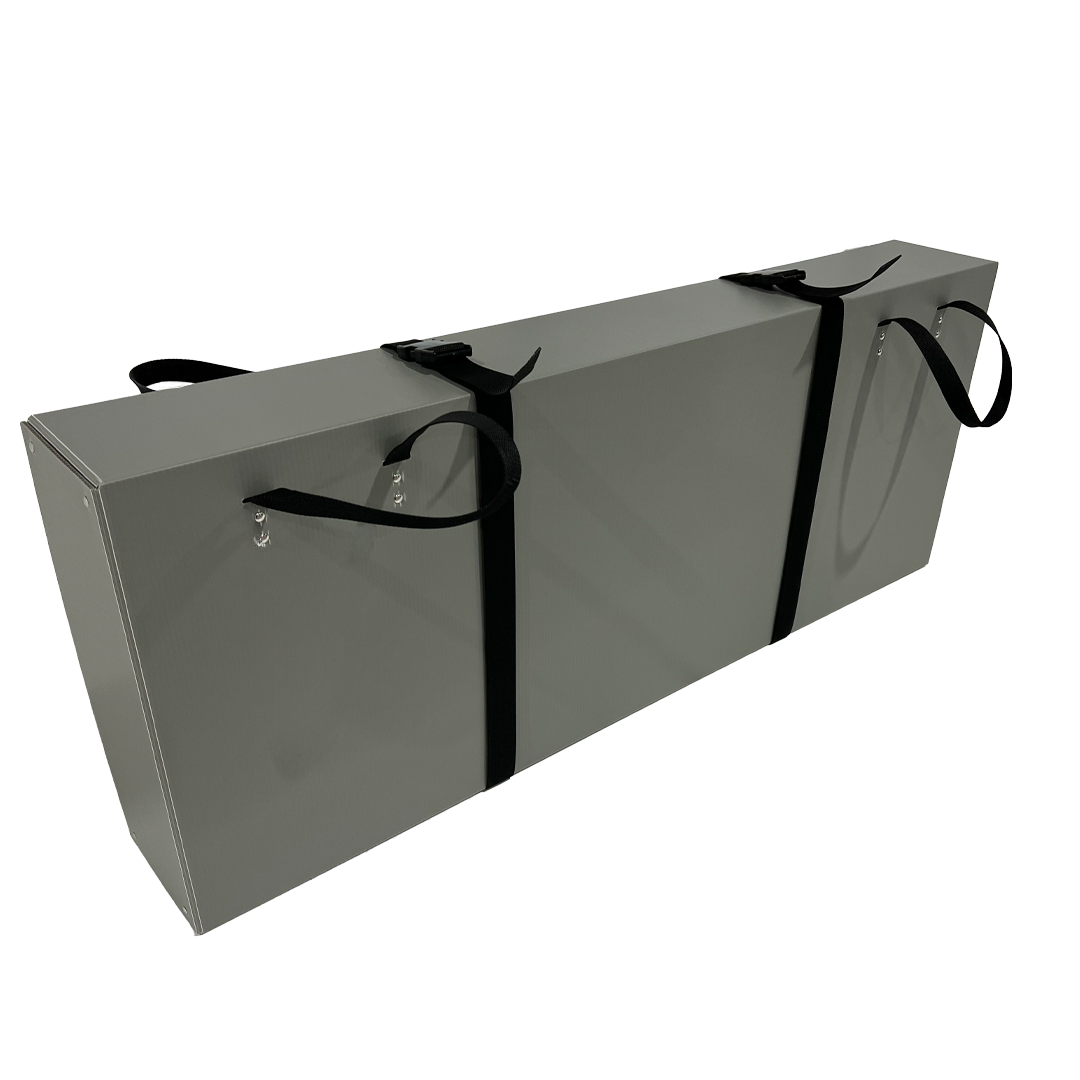
A-type corrugated plastic packaging are the most similar to corrugated cardboard boxes. They can be broken down and folded for storage. The can be re-used for cost-effectiveness.
Orange crate type
The same shape as a standard corrugated cardboard box. Affix handles or tape to increase functionality.
Combo type
When folded in combination, they do not need to be taped together. Efficient sealing
One-touch bottom
The bottom of the box lifts upward when the box is opened. Folds to a small and efficient size.
Over-flap
Double (and triple) layered bottom and top. Exceptionally strong for heavyweight objects.
Containers
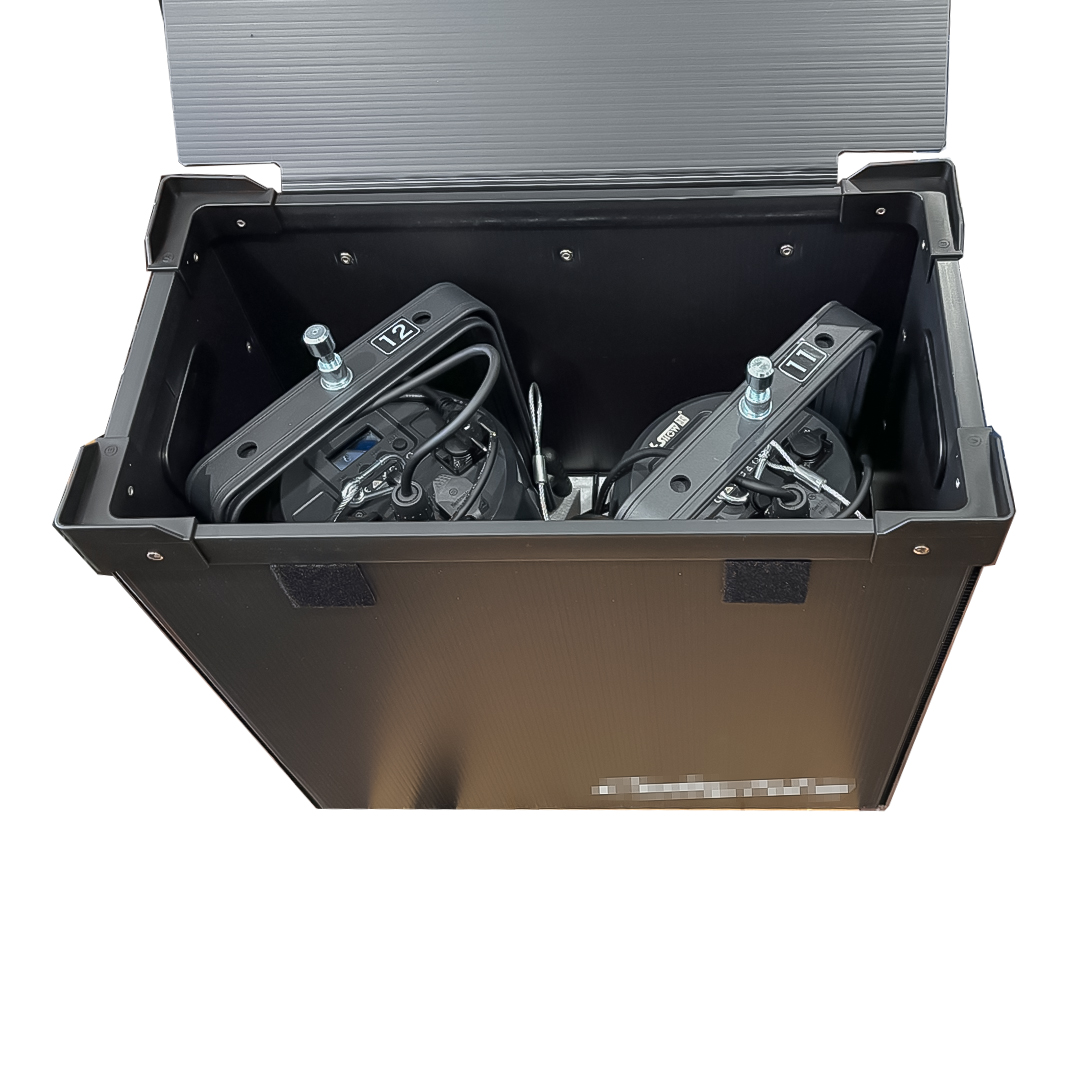
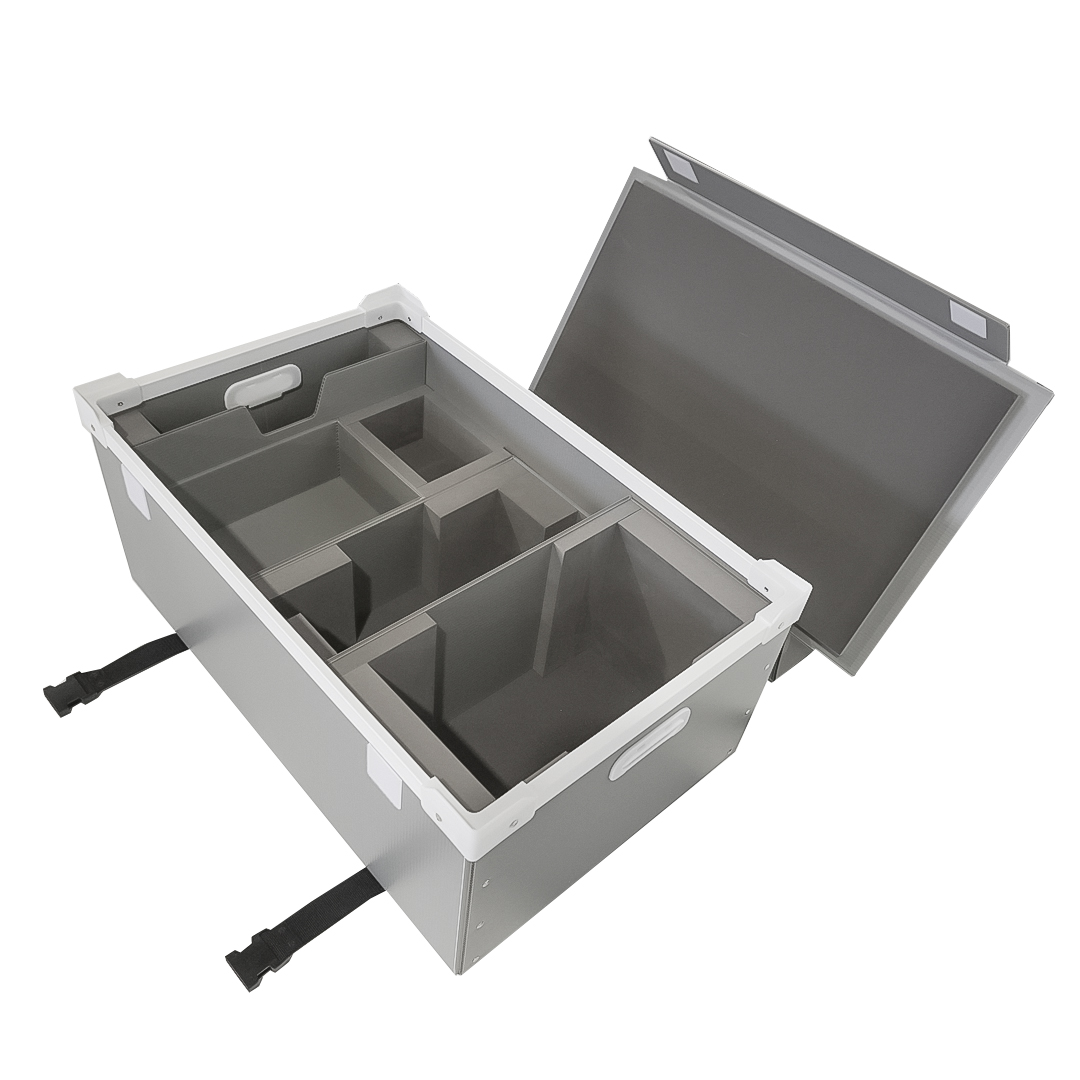
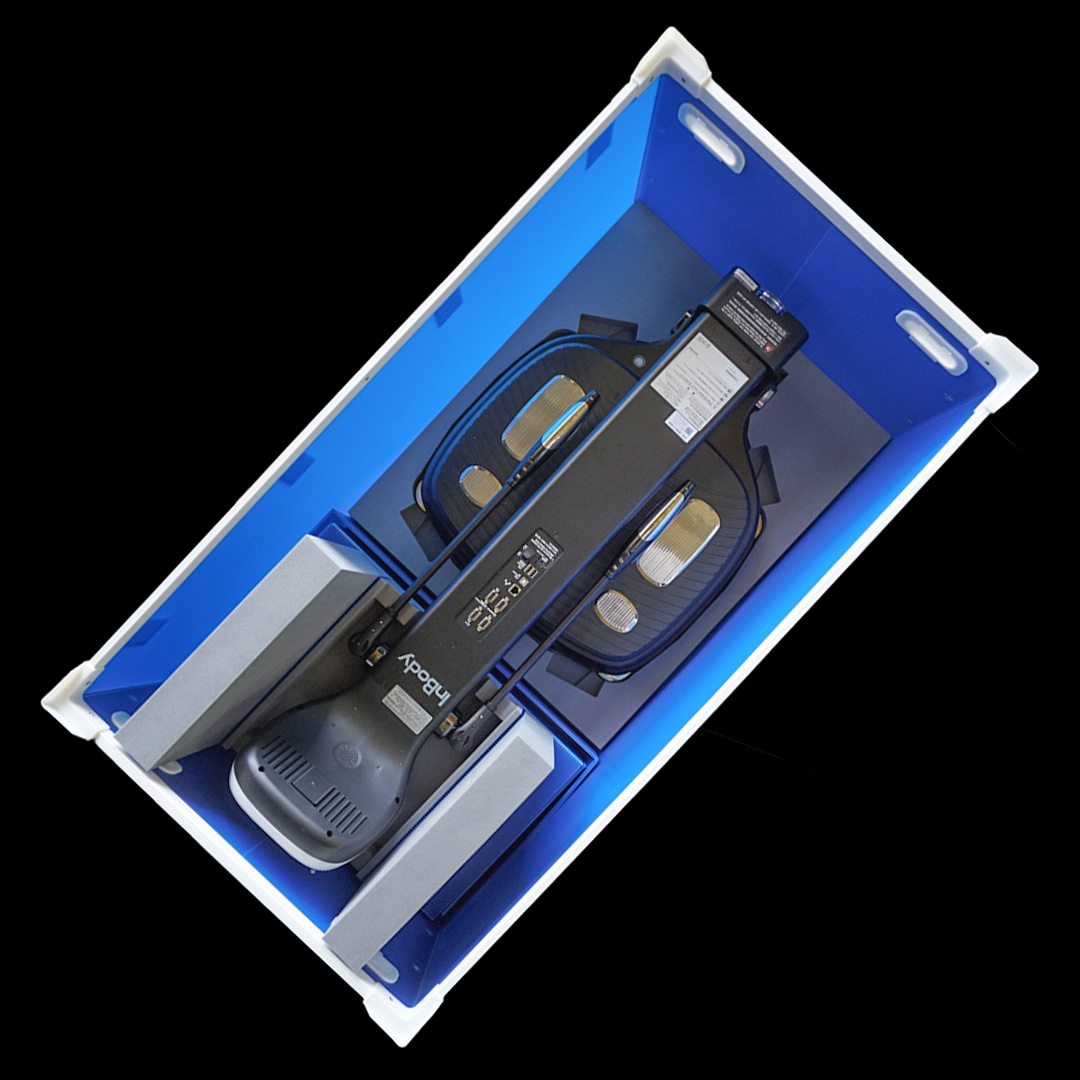
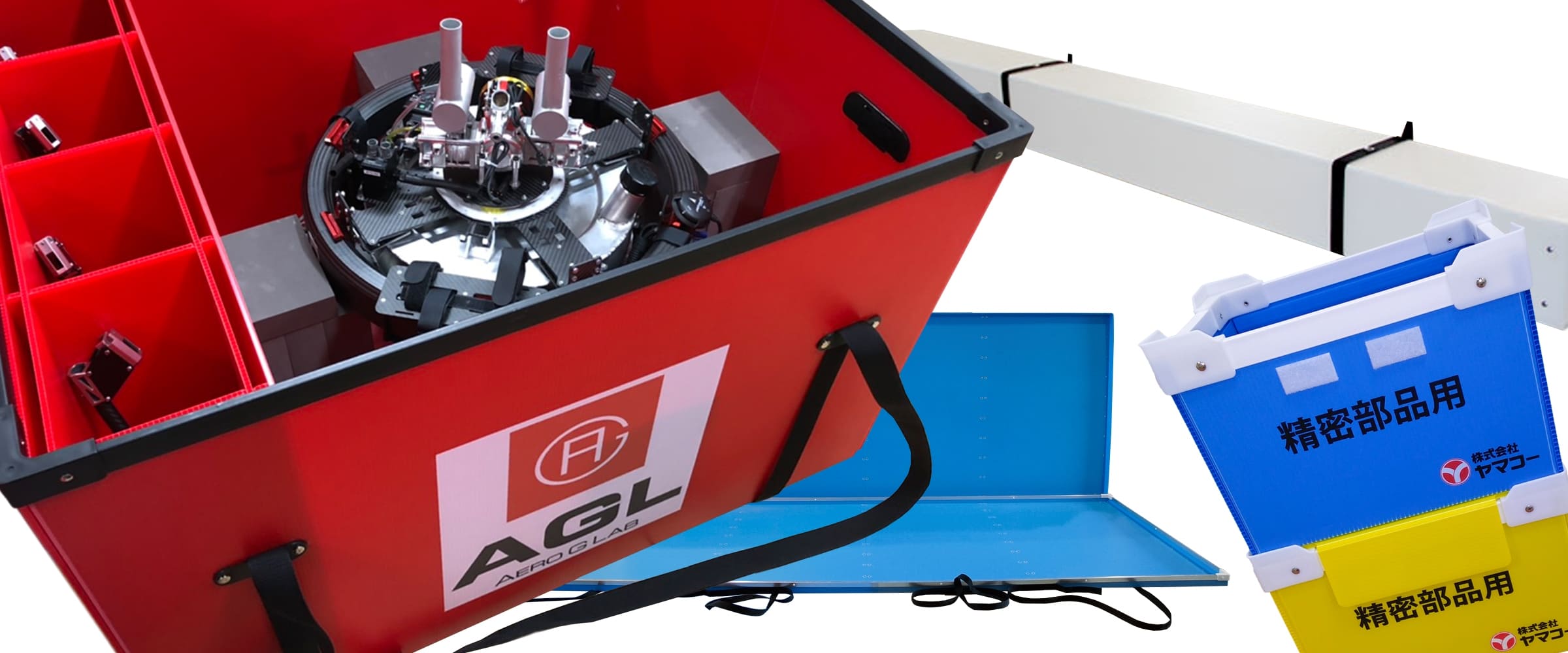
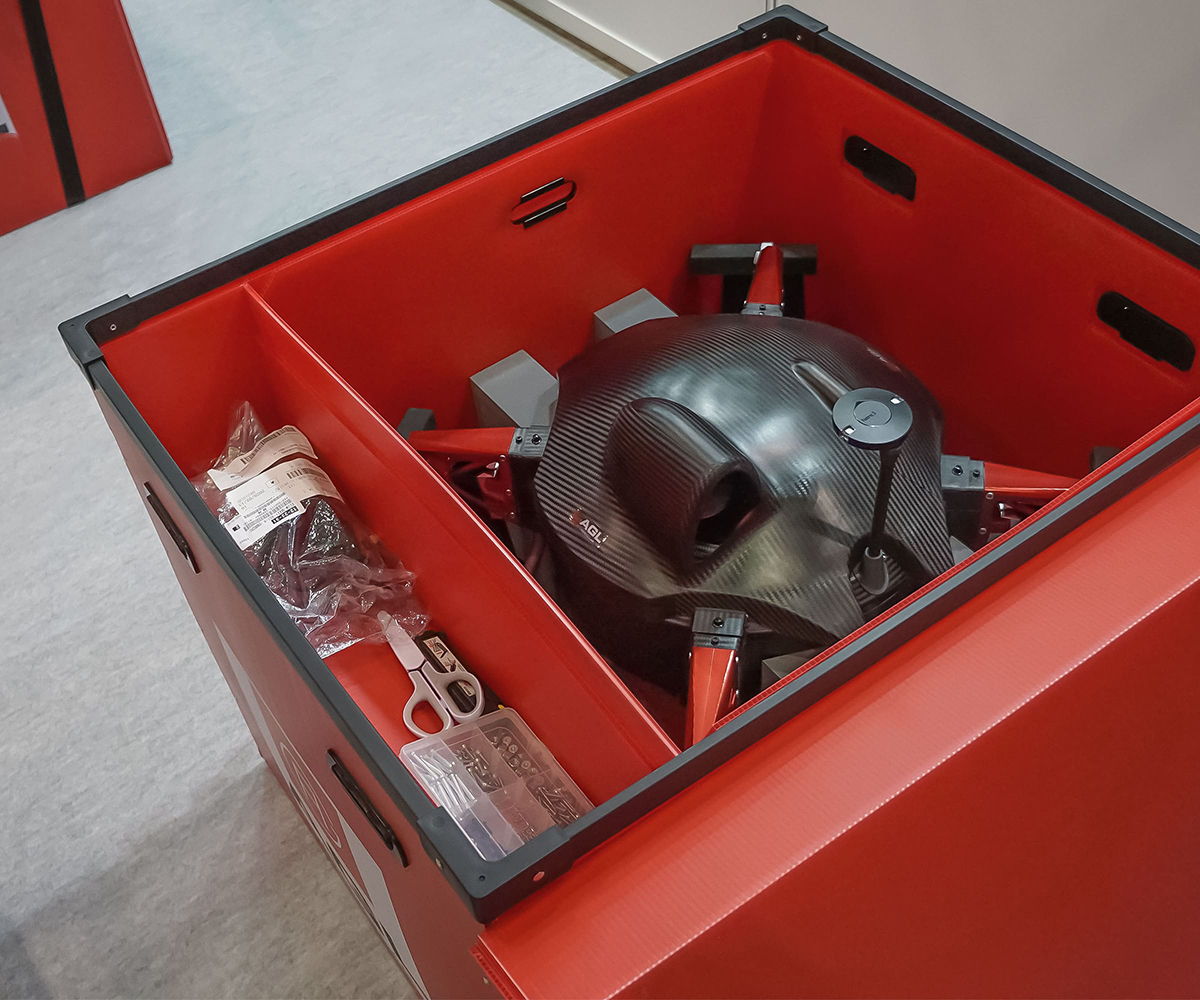
Attach corners and frames to C-type plastic containers to increase their strength and durability, Corners are ribbed to prevent falling over when stacked. Can handle heavyweight objects.
Ribbed container
A container with a ribbed corner attachment to prevent falling over when stacked.
Feather lid type
A container with an easy-to-attach/remove lid on the ribbed corner attachment.
Cover lid type
C-type with frame attached to body. Lid covers entirely, to prevent dust from entering container.
Plate lid type
Simple and easy lid type. For situations where a simple, cost-effective lid is necessary.
A Type examples
-

Orange crate type
-

Combo type
-

One-touch bottom
-

Over-flap
Container examples
-

Ribbed container
-

Feather lid container
-

Cover lid container
-

Plate lid container
Folding containers
Type A corrugated plastic folding container with corner attachments. A-type folding convenience with the strength of a container.
Folding containers
Increase durability by affixing corner and frame attachments. Suitable for factory lines and heavy duty storage.
New type Sumi-box F
One-touch folding container.
Orius®
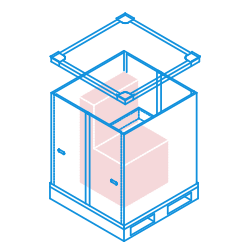
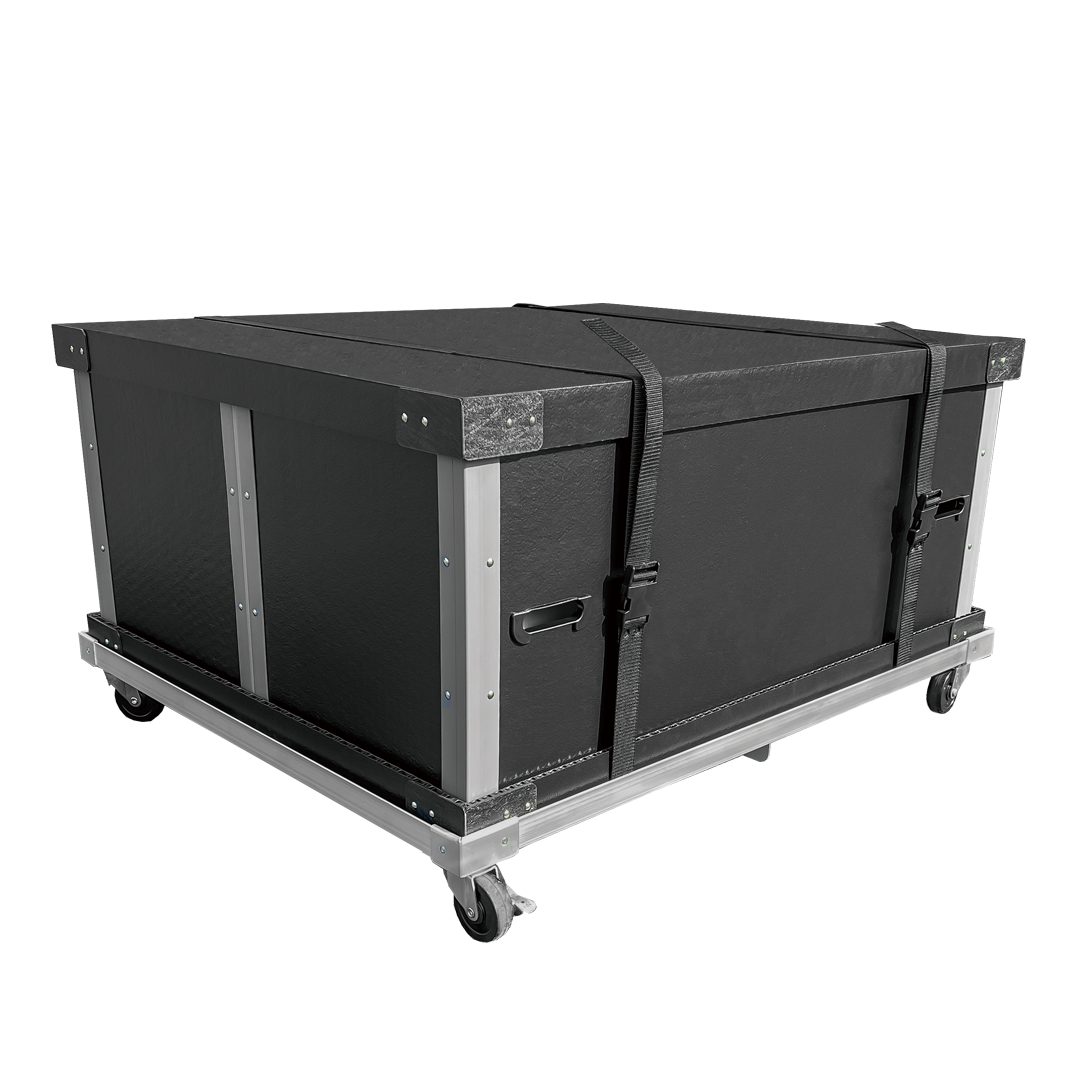
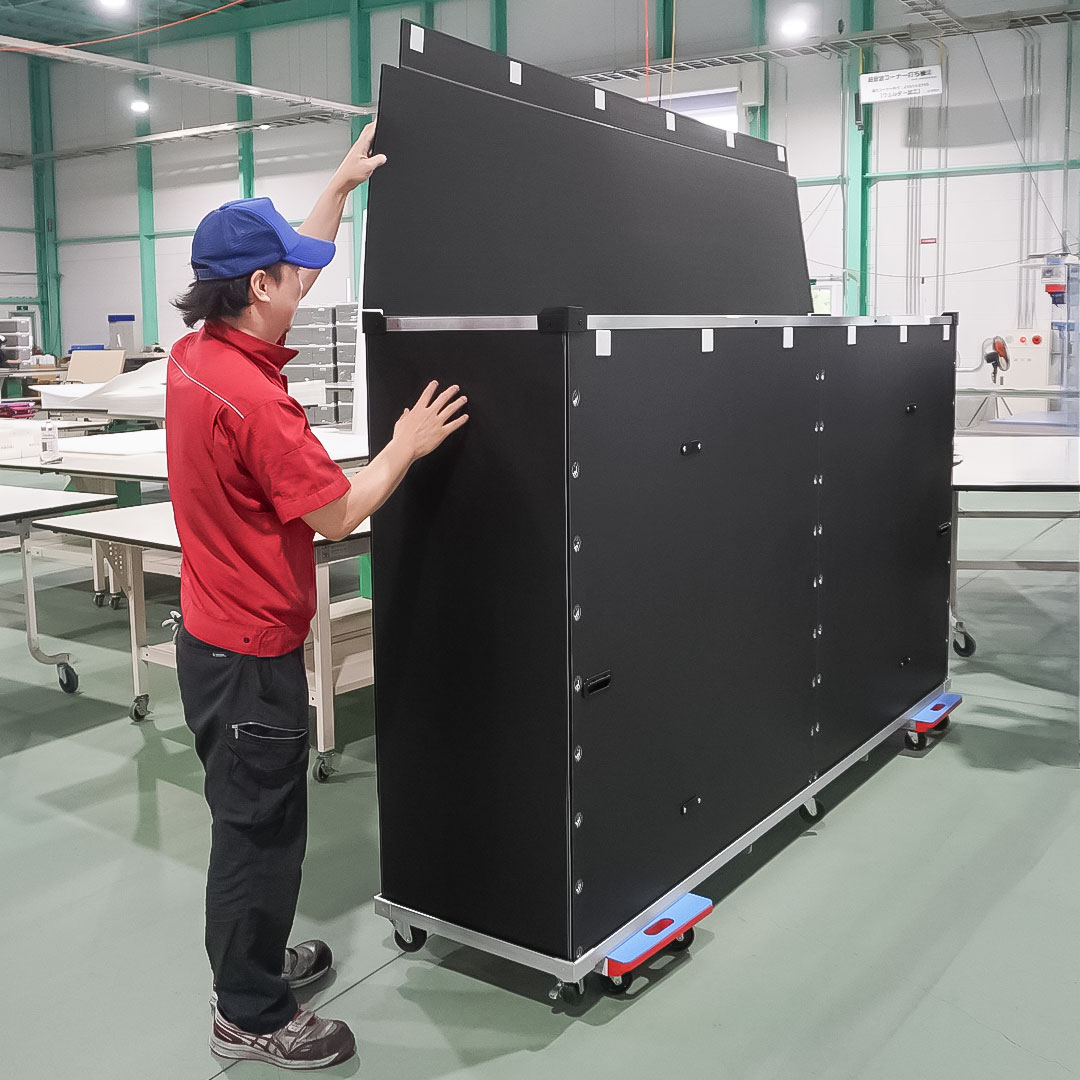
Large-type case with integrated pallet. Adjustable pallet size for maximum transport efficiency. 10 mm side boards for extra strength.
Coleus
Pallet container with 5 mm sheeting. Affordable version of Orius. Use to replace wooden packing crates with plastic ones.
C-Type
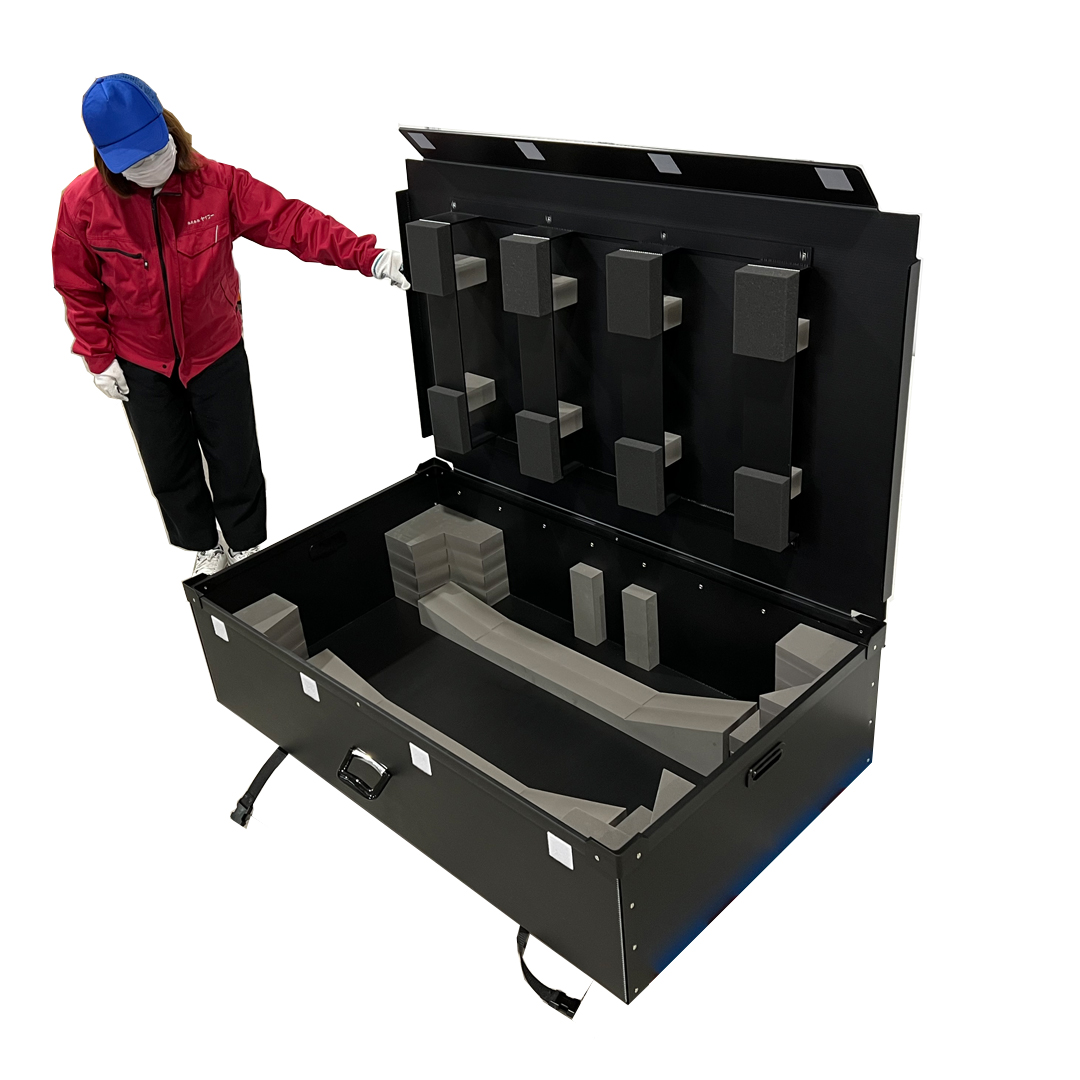
C-type design is based on the Japanese "Bento" lunch box
with removable plate lid attachment. Corrugated plastic
cannot be folded as with A-type, but
is extremely durable with reinforced bottom.
Lunch box type
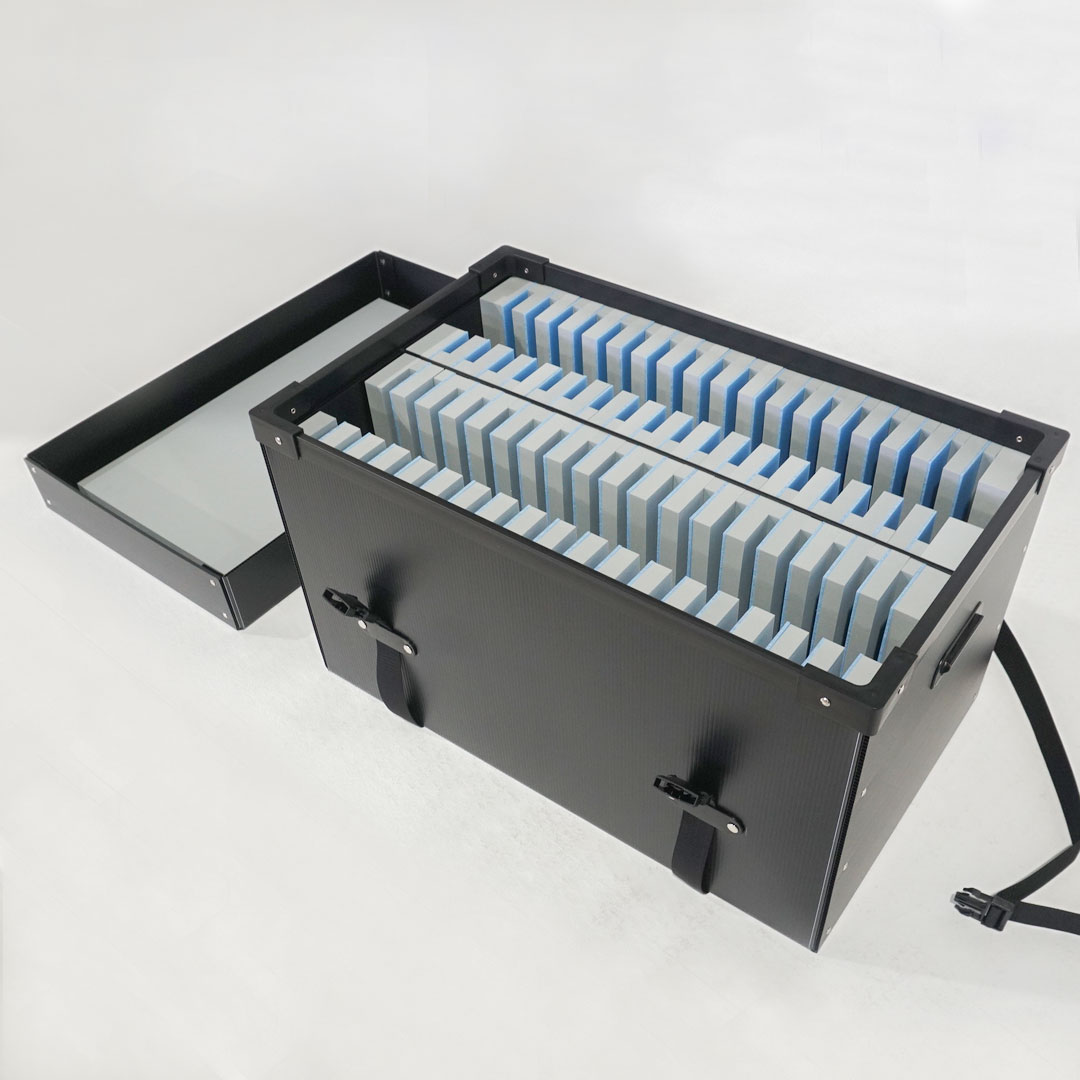
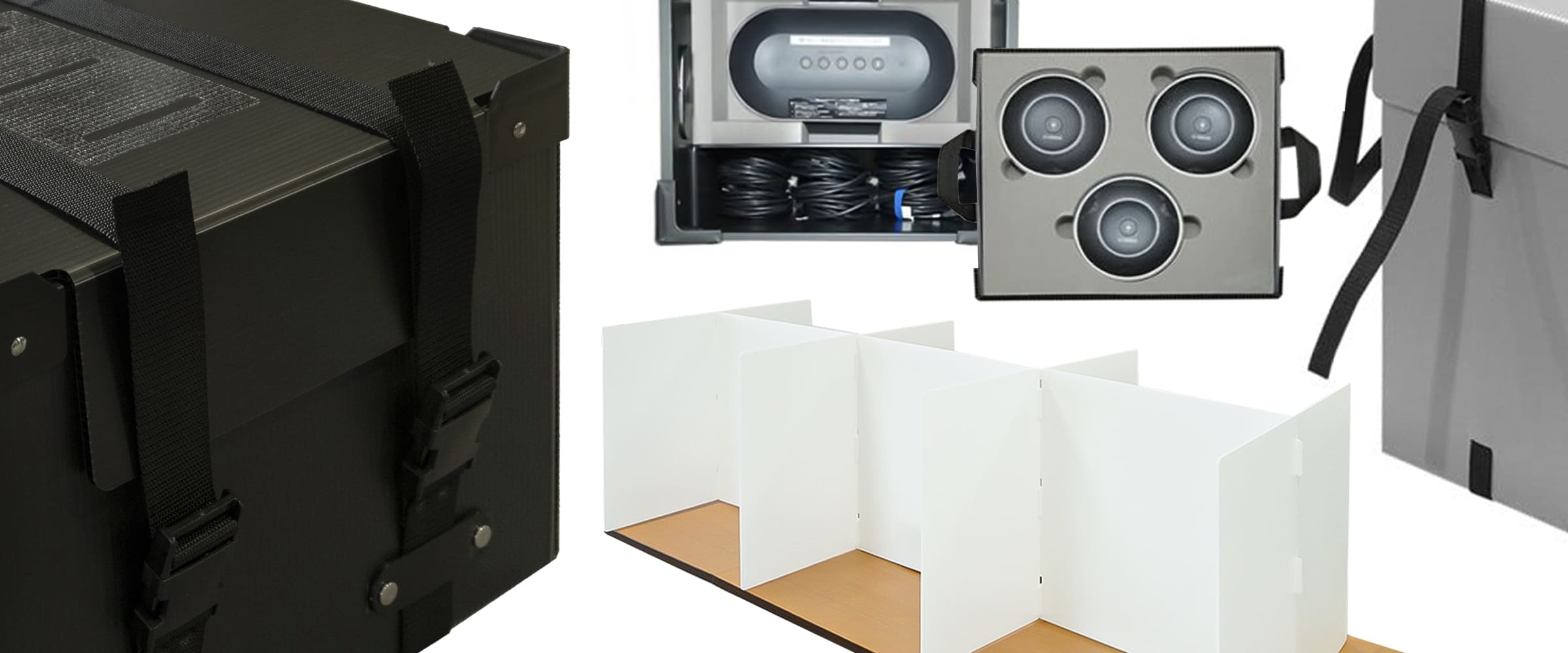
In the style of Japanese "Bento" lunch boxes, the lid and box separate completely. Double-ply sidewalls for extra strength.
Lidless type
Does not have a lid. For use as a sorting box or cover.
Fixed-lid type
Box and lid are integrated and attached. For protection against losing the lid. Wider mouth than A-type design with great workability.
Folding container examples
-

Folding containers
-

New type Sumi-box F
-

Oleus
-

Coleus
C-Type examples
-

Lunchbox type
-

Lidless type
-

Fixed-lid type
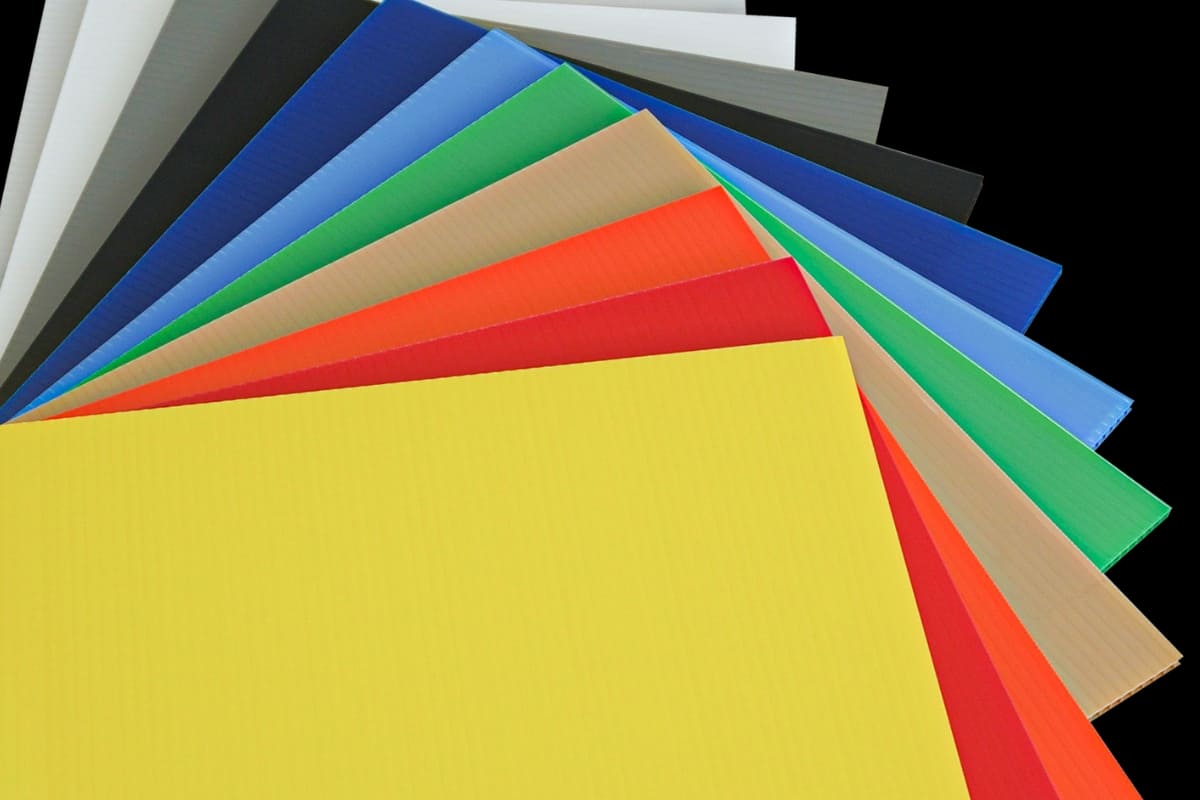
Corrugated plastic
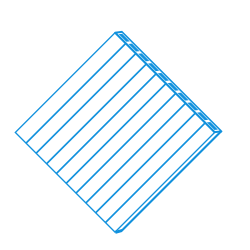
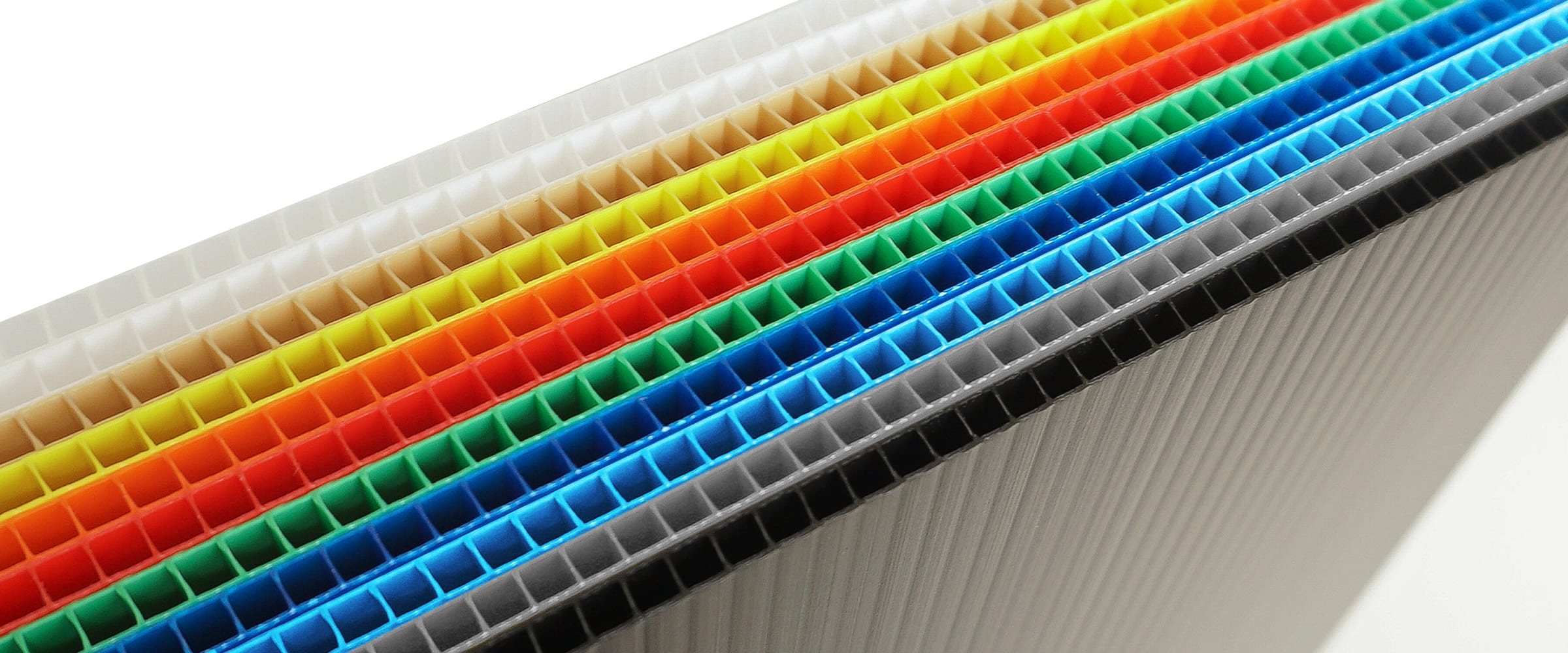
Corrugated plastic is molded from a hollow polypropylene sheets.
The polypropylene construction is extremely heat, water and chemical resistant, and easy to produce.
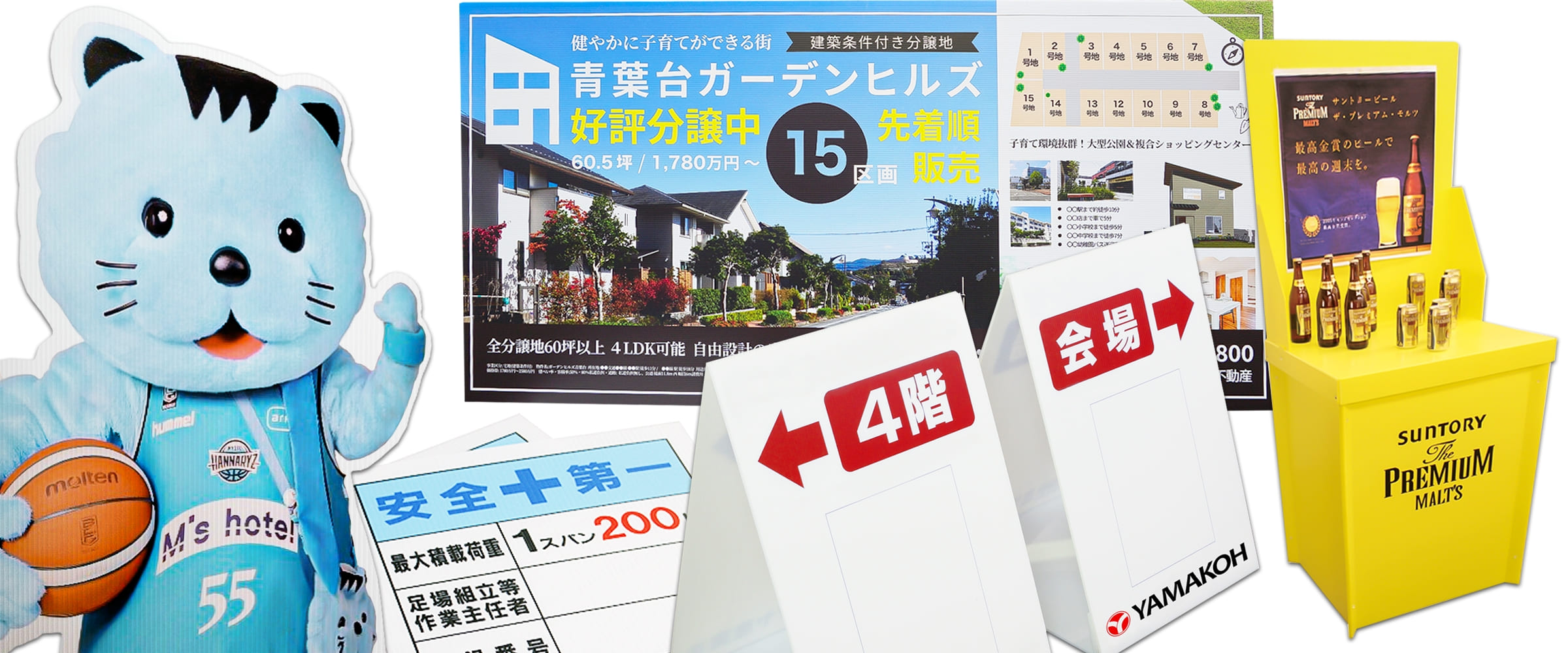
Sleek and eye-pleasing, popular for use in advertising boards and displays.
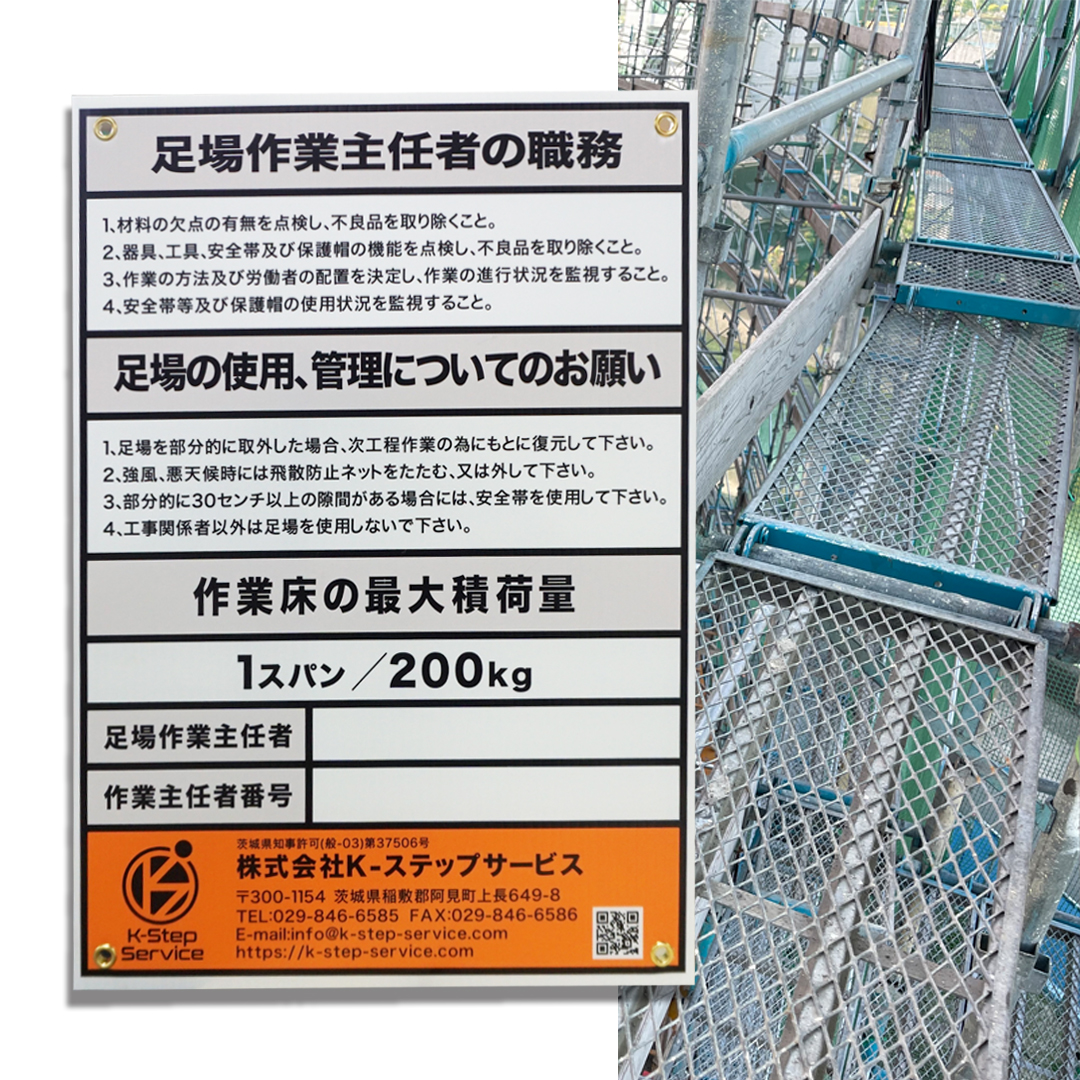
Light and hollow design, high pressure and shock resistance, and low cost production have also made this product popular as construction safety sheeting and curing sheets.
A functional, rational, and economical trend-setting new product.
About recycling
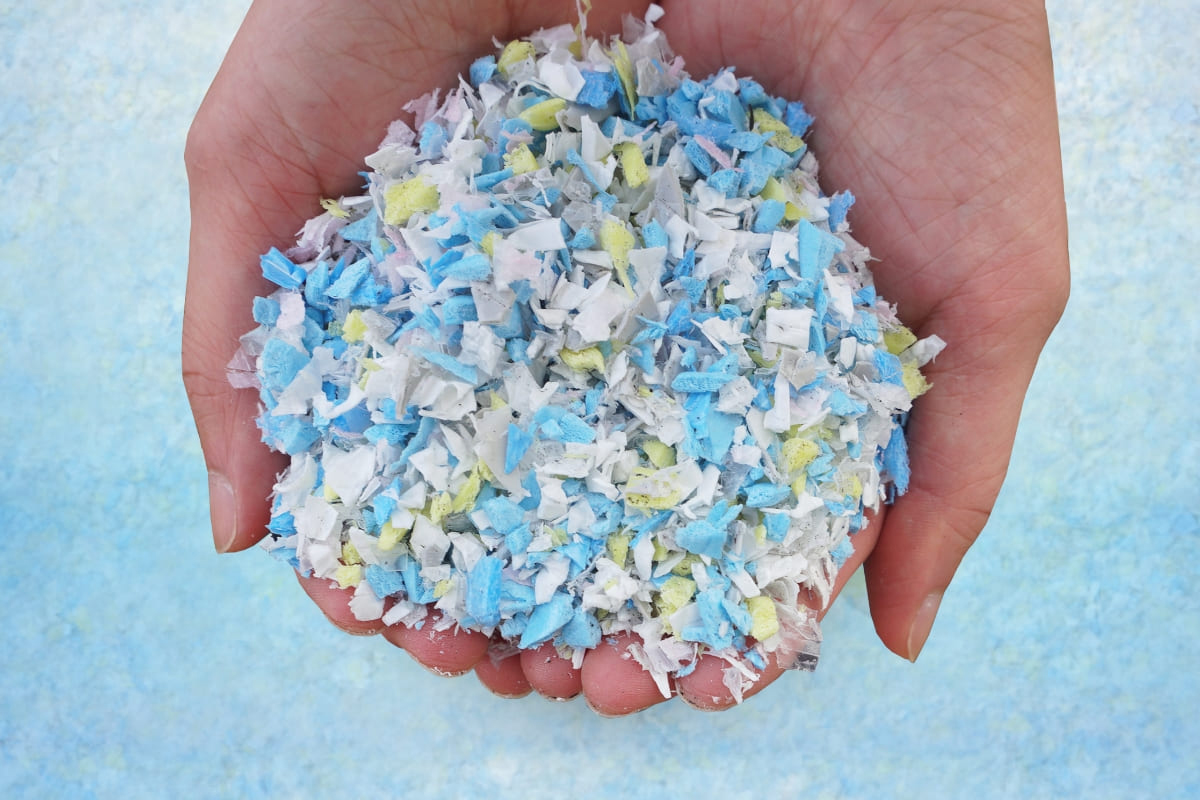
Corrugated plastic has high fluidity, and can be melted down and easily recycled after its lifespan is finished.
The pulverized pellets of the recycled materials are used to make factory pallets, and other familiar goods such as garbage bins and polyethylene buckets.
Cut-up and scrapped corrugated plastic is recycled into a multitude of new plastic products. Aside from being used as resin in factory pallets, it is also used in fuels.

An environmentally friendly product
The amount of CO2 emission for the production of a 40x40x40 cm cubic A-type corrugated cardboard box is about 0.5 kg for each.
The amount of CO2 emission for a same-sized A-type corrugated plastic (Orange crate type) is about 5 kg.
However, if a disposable corrugated cardboard box, which is only meant to be used once, could be used ten times over, each use would constitute a reduction in CO2 emission, making it a "green" product.
Corrugated plastic
Features of hollow design
Lightweight |
Sound insulated |
Cushioned |
Heat Insulated |
|---|---|---|---|
| Compared to solid-form plastic, the hollow form is lightweight | Sound reverberation is reflected and absorbed in the ribbing, making it an excellent sound suppressor. | Ribbing decentralizes impact shocks, making for excellent shock cushioning. | Low thermal conductivity on the PP due to a lair of air which makes heat conducting difficult. |
Features of polypropylene
Great workability |
Chemical resistant |
High rigidity |
Water resistant |
|---|---|---|---|
| Easy to manufacture as desired by cutting, punching, bending and bonding. | Excellent against alkaline, acids and solvents. | Does not wear and tear like paper-based material, strong and durable. | Absorbs almost no moisture (0.03%), getting it wet does not cause any problems. |
Hygienic |
Recyclable |
Heat resistant |
Durable |
| Does not produce dust like cardboard, hygienic. | Can be recycled into different plastic products. | Being able to stand temperatures up to 130℃, it has the highest heat resistance among plastics. | Holds up well against repeated bending and folding (hinge feature). |
Features of sheet construction
Protective |
Patented |
Anti-slip |
High functionality |
|---|---|---|---|
| Does not attract static dust due to natural resistance to static electricity. | Handles corona static discharge well enough for silk screening. | A higher anti-slip grade than corrugated cardboard. | Various different materials can be attached to create an assortment of highly functional sheets. |
Cost merits
The cost of boxes is becoming cheaper


The cost of each box becomes higher than corrugated cardboard boxes.
However, corrugated plastic differs from corrugated cardboard boxes in that as a strong box which can be reused roughly ten times over again, the running costs are ultimately cheaper than cardboard. If used conservatively, corrugated plastic boxes can be reused more than 30 times.
Reduce hidden costs

In considering distribution prices, there are many other costs to consider beyond just the box itself.
| Sealing costs | Costs for box sealing and the required processing and tools. In the case of corrugated plastic, sealing can be done simply with tape. |
|---|---|
| Ordering costs | Ordering costs comprise a high amount of the hidden costs. Orders that can’t be filled due to insufficient stocks, creation of order forms, and other order processing costs can mount up. |
| Maintenance costs | Corrugated cardboard packaging is often sold in set lot amounts, requiring extra management for excess boxes in an order. Space for excess lot boxes also has to be alloted and managed. |
| Disposal costs | Waste collection for disposable items also inters costs. |
Yearly supply and distribution costs for heavy-duty corrugated plastic boxes are far cheaper than those of corrugated cardboard.
Functional merits
Dust-free
Manufacturing of corrugated cardboard boxes, and cutting of corrugated cardboard sheets, creates excess dust. This dust clings to the boxes and often mixes in with the packaged goods, making cardboard useless for industrial packaging of perishable foods, medicinal supplies and precision engineered devices. Also, many factories have adopted sterile clean rooms in recent, and cardboard packaging is typically not allowed in these rooms.
The custom design of corrugated plastic safeguards against contamination from foreign elements.
Protection from static electricity
Protection from static electricity is indispensable in nearly every field of manufacturing. Static electricity attracts dusts and causes ESD damage, waging negative effects on the packaged goods. Heavy duty corrugated plastic boxes are constructed from conductive plastic sheets that negate static electricity.
Water resistant
Corrugated cardboard boxes quickly degrade and become tattered when exposed to water.
Heavy duty corrugated plastic boxes are built to be water resistant and do not degrade with water exposure.
However, water trapped inside the box does pose a risk of mold, so please be sure to avoid water exposure and wipe the surface thoroughly.
Environmental merits
An environmentally friendly product
The amount of CO2 emission for the production of a 40x40x40 cm cubic A-type corrugated cardboard box is about 0.5 kg for each.
The amount of CO2 emission for a same-sized A-type corrugated plastic (Orange crate type) is about 5 kg. However, if a disposable corrugated cardboard box, which is only meant to be used once, could be used ten times over, each use would constitute a reduction in CO2 emission, making it a "green" product.
Re-usability & raw materials
Corrugated plastic has high fluidity and can be melted down and easily recycled after its lifespan is finished.
Cut-up and scrapped corrugated plastic is recycled into a multitude of new plastic products. Aside from being used as resin for factory-use pallets, it is also used to produce fuels.